
Cart 0
Skin Barrier Repair: The 3 Hacks We Ignore
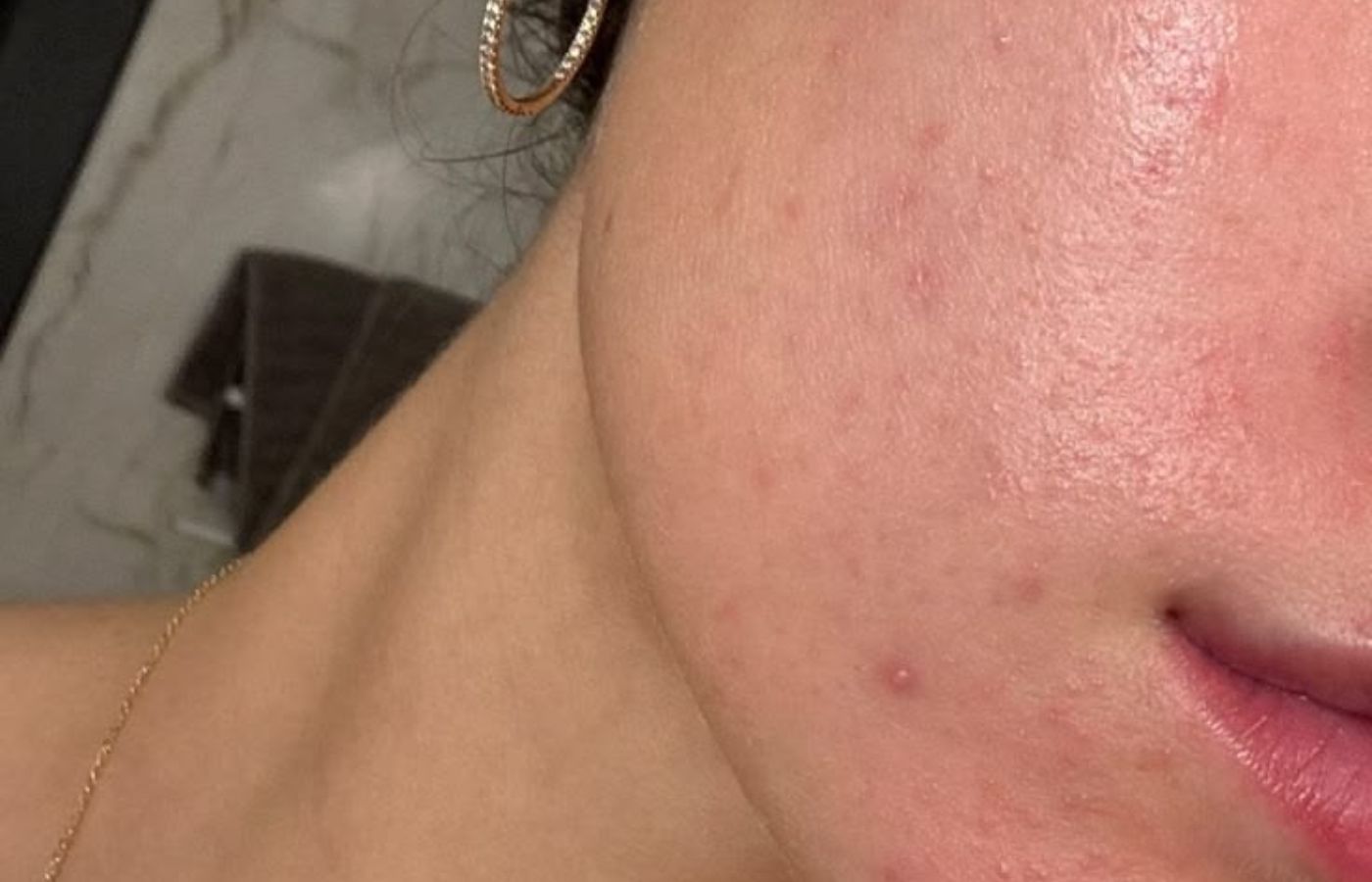
If you’re in a “my skin is freaking out” era, dry patches, redness, stinging, random breakouts, makeup sitting weird—your skin barrier is probably waving a white flag.
And the annoying part? Most of us respond by buying another product… then layering it on top of a routine that’s already stressing the skin out.
Real skin barrier repair is often less about adding more, and more about stopping the quiet habits that keep your barrier stuck in survival mode.
Here are 3 skin barrier repair hacks we ignore (because they’re boring, or inconvenient, or don’t feel like skincare)… but they’re usually the reason your skin won’t settle.
Hack #1: Stop “micro-stripping” your face (it’s not just cleanser)
Most people think stripping only happens when you use a harsh cleanser. But micro-stripping is sneakier. It’s the daily stuff that slowly erodes your barrier until your skin starts reacting to everything.
Common micro-strippers:
- cleansing twice with a foaming cleanser (especially morning + night)
- hot water on the face (even “just for a minute”)
- overusing exfoliants “because texture”
- scrubbing with a washcloth or cleansing brush
- using too many actives at once (retinoid + acids + vitamin C + “brightening” everything)
If your goal is skin barrier repair, the move is simple: make your routine boring for 2–3 weeks.
What “boring” looks like:
- gentle cleanse at night (or rinse only in the morning)
- one hydrating step
- one moisturizer
- SPF in the morning
That’s it. Your barrier can’t repair itself if it’s getting lightly stripped every day.

Hack #2: Treat irritation like inflammation (not like a “dry skin” problem)
This is the mindset shift that changes everything.
When your barrier is compromised, your skin isn’t just dry. It’s often inflamed. That’s why it:
- stings when you apply products
- looks red or blotchy
- breaks out in small bumps
- feels tight but also oily in places
- reacts to products you used to tolerate
So skin barrier repair isn’t only “add moisture.” It’s reduce inflammation triggers.
The triggers we ignore:
- fragrance (including essential oils) when skin is reactive
- strong actives used too frequently
- “tingly” products that you’ve convinced yourself are working
- constant product switching (your skin never stabilizes)
If your skin is irritated, the best hack is to stop chasing results for a minute and chase calm. Calm is what lets the barrier rebuild.
Hack #3: Fix your environment (because your skin lives in it)
This one is so unsexy that people skip it. But it matters.
If you’re doing “all the skincare” and your barrier still won’t repair, look at what your skin is dealing with daily:
Dry air
Indoor heating + AC can pull moisture out of skin nonstop. If you wake up tight and dry, it’s not always your moisturizer—it’s your environment.
Barrier repair move:
- use a humidifier at night (even a small one)
- avoid blasting heat directly at your face while sleeping
Friction
Your skin barrier hates friction. Pillowcases, towels, rubbing your face, even aggressive cleansing can keep your skin in a constant irritated state.
Barrier repair move:
- pat dry, don’t rub
- keep pillowcases clean and soft
- stop picking at flakes (I know)
Sleep + stress
This is the one nobody wants to hear, but it’s real: your skin does a lot of repair work while you sleep. If you’re running on stress and short nights, your skin barrier repair timeline gets longer.
Barrier repair move:
- earlier nights for a week (even 30–60 minutes helps)
- keep your night routine simple so you actually stick to it
What skin barrier repair should feel like (signs you’re on track)
Within 7–14 days of doing the boring basics, you’ll usually notice:
- less stinging when you apply products
- fewer random red patches
- makeup sits better
- skin feels more comfortable (not tight)
- fewer “new reactions” every week
That’s the barrier stabilizing.